Chapter 12
Rhythm: Whole Notes and Putting It All Together
Four quarter notes can become two half notes. What happens if those two half notes become one longer note?
One note across four beats
Four quarters = two halves = one whole note.
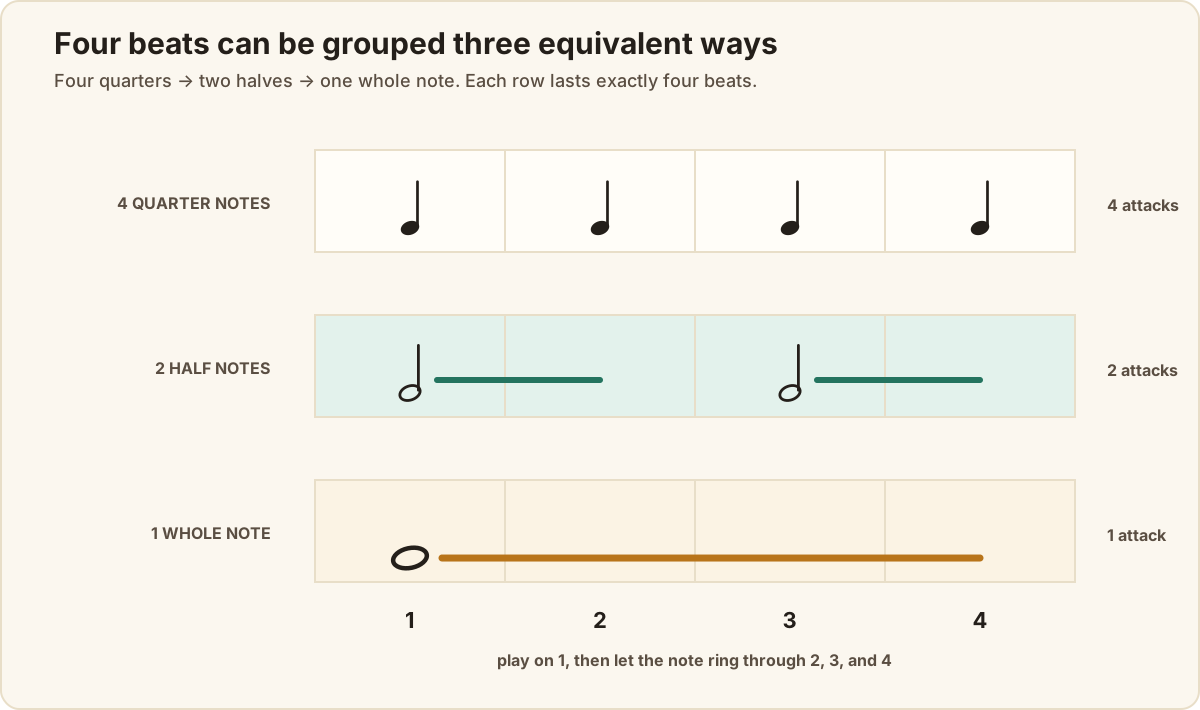
A whole note is an empty note head with no stem. In 4/4 time, play it on beat 1 and let it ring through beats 2, 3, and 4. End it on the next beat 1.
What is the difference between a whole note and a whole-measure rest?
In this 4/4 example, a whole note beginning on beat 1 gives a whole measure of sound. The whole rest gives a whole measure of silence.
Your basic rhythm toolkit
| Rhythm | What happens |
|---|---|
| Quarter note | 1 beat of sound |
| Quarter rest | 1 beat of silence |
| Half note | 2 beats of sound |
| Half rest | 2 beats of silence |
| Whole note | 4 beats of sound in 4/4 |
| Whole rest (whole-measure rest) | The entire measure is silent |
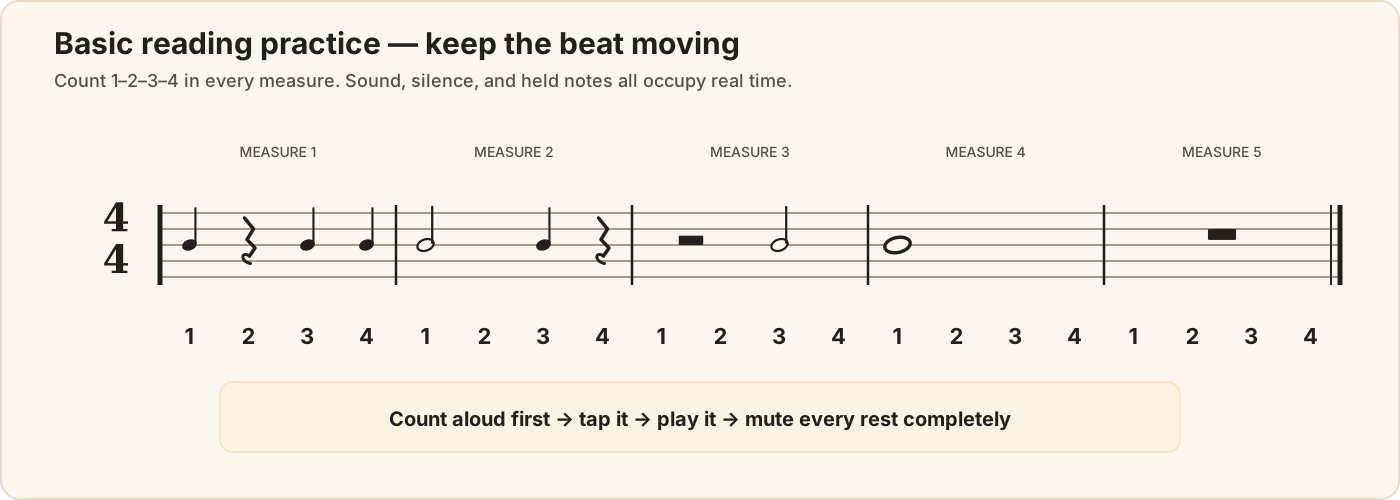
Count it, say it, play it
Now replace the numbers with “ta.” Start a new “ta” at every note and stretch the vowel through held beats. Stay silent for rests. Do not restart “ta” on beat 2, 3, or 4 of a held note.
Final rhythm practice
- Count it: tap your foot and count every beat.
- Say it: use “ta” for each note. Keep long notes smooth.
- Play it: use one open string. Let notes ring and make rests silent.
- Keep the foot moving from the first measure to the last.
This rhythm sequence is adapted from Darcy Potter Williams's Teaching Rhythm Logically.
Now you can keep a beat, count measures, read rests, and hold notes for one, two, or four beats.